


Services
Everything I offer, from first idea to finished product. Jump to a service below.
Every organization has great ideas, important messages, and projects that need to get done. But finding the time, resources, and expertise to bring those ideas to life can be a challenge. Whether you need a compelling graphic, a new website, a recognizable brand, or someone to help solve a complicated organizational problem, you shouldn't have to carry that burden alone.
My goal is simple: Take something off your plate and give you confidence that it's going to get done, done well, and done quickly. I understand that deadlines matter, budgets matter, and your time matters. You need someone who can understand what you're trying to accomplish, ask the right questions, and deliver a solution without requiring constant supervision, endless meetings, or unnecessary back-and-forth.
I believe creativity and efficiency should work together. Great results don't always require complicated processes, large teams, or months of development. They require experience, good judgment, clear communication, and the ability to recognize the difference between what's necessary and what's simply adding complexity. My approach is practical, collaborative, and focused on delivering work that accomplishes its purpose.

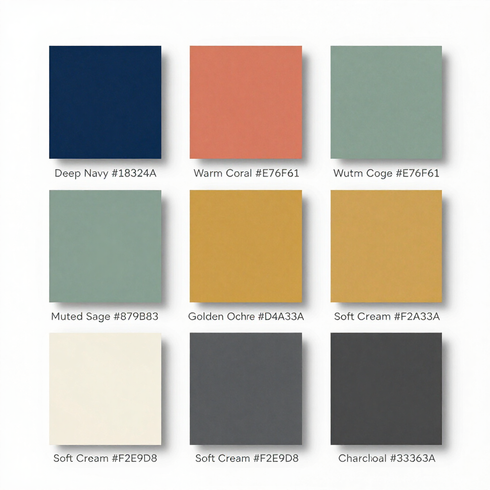

Branding
More than a logo. A recognizable identity that builds trust and empowers your team.
Your brand is more than a logo, a color palette, or a collection of graphics. It's the identity of your organization and the impression you leave on the people you serve. Every visual element, message, and interaction communicates something about who you are, what you value, and what people can expect from you.
Recognition Builds Trust
In a world where people are surrounded by information, recognition matters. Consistent branding across websites, social media, printed materials, apparel, and signage creates familiarity. Over time, that familiarity builds confidence, credibility, and trust. A great brand doesn't just help people recognize you. It helps them remember you and believe in what you do.
Consistency Shouldn't Be Complicated
A strong brand should be easy to understand, easy to follow, and easy to replicate. Clear brand standards, thoughtfully designed templates, and accessible resources allow staff members and volunteers to create professional, consistent communications without needing a graphic designer for every project.
Great branding shouldn't create a bottleneck. It should create opportunities for collaboration.
Built to Empower Your Team
My approach goes beyond creating an attractive visual identity. I develop practical brand systems that make communication easier, streamline workflows, and empower others to participate confidently.
Creative professionals should be free to focus on developing new ideas and tackling complex projects rather than constantly recreating everyday materials. With the right tools and guidelines, your entire team can help carry the load without sacrificing quality or consistency.
Building a recognizable, trusted brand shouldn't require a massive design department. It should require a thoughtful strategy and a system that works.
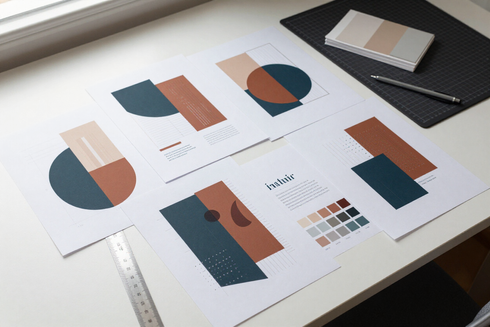
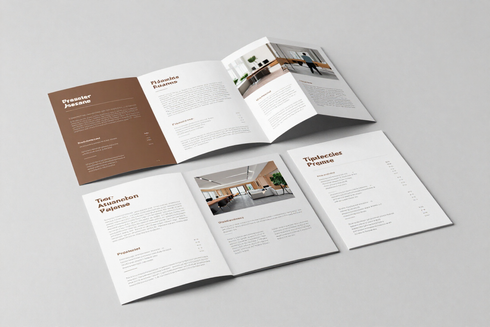

Graphic Design
From simple communication to inspiring visuals, great design always has a purpose.
Graphic design is about more than making something look good. Sometimes it means presenting information clearly and simply. Other times, it means creating something bold, compelling, and inspiring that captures attention and moves people to action. The key is understanding the message, the audience, and what the design needs to accomplish.
Art vs. Communication
While creativity and artistic ability are important, there's a fundamental difference between art and graphic design. Art is often about personal expression. Graphic design is about purposeful communication. When designers approach their work primarily as art, it's easy to become attached to the creation rather than focused on the message.
Don't Get Too Attached to Your Baby
Here's where things can get dangerous. When a designer treats every project as a personal masterpiece, even constructive criticism can feel like someone just called their baby ugly. Feedback becomes personal, revisions become frustrating, and the purpose of the project gets lost. Great designers understand that collaboration and refinement aren't threats to creativity. They're essential to making the work better.
Design That Delivers
My approach begins with understanding what needs to be communicated and who needs to hear it. Typography, color, imagery, and layout are all tools used to accomplish that goal. I welcome feedback, value collaboration, and recognize that the strongest solution isn't always the first idea.
Ultimately, successful graphic design isn't measured by how much the designer loves it. It's measured by how effectively it communicates.
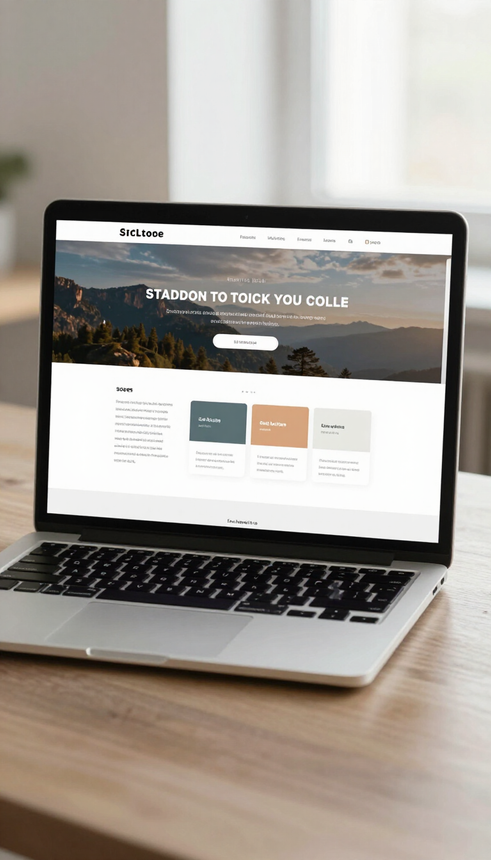

Websites
Your digital front door should reflect who you are, engage your audience, and make connecting easy.
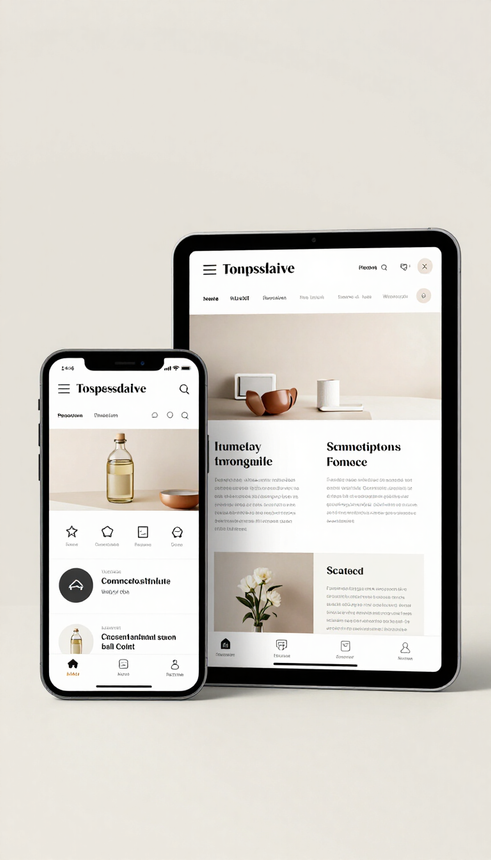
Your website is often someone's first introduction to your organization. Before they walk through your doors, make a phone call, or meet someone on your team, they've already begun forming an opinion based on what they've experienced online. A great website should be more than visually impressive. It should accurately reflect who you are, what you do, and what people can expect when they connect with you.
Authenticity Matters
Imagine a small, traditional church whose website features dramatic concert lighting, massive crowds, and imagery that resembles a contemporary music festival. A family visits the website, gets excited, and decides to attend. But when they arrive, the actual experience is completely different.
There's nothing wrong with either style of worship, but the disconnect creates disappointment before a relationship ever begins. Your website shouldn't create expectations your organization isn't prepared to fulfill. It should be an authentic reflection of your identity.
Forget the Formula. Focus on the Experience.
There's no single right way to build a website. Every organization has different audiences, goals, and communication needs. Even the old "three-click rule," which suggested visitors would leave if they couldn't find something within three clicks, isn't supported by usability research.
People are willing to explore when the experience is engaging, intuitive, and worthwhile. The goal isn't to eliminate clicks. It's to give people a compelling reason to keep going. Strong visuals, interesting content, and thoughtful navigation should work together to create that experience.
Beautiful Design Needs Meaningful Content
Search engines have changed, and websites need to change with them. Gone are the days of relying on hidden keywords and metadata while filling pages with beautiful images and almost no readable text. Google looks for relevant, useful content that helps people understand what a page offers.
Metadata and technical optimization still matter, but they can't replace meaningful content. A successful website balances compelling visuals with information that serves both visitors and search engines.
Keep It Simple. Keep It Relevant.
More information doesn't necessarily make a better website. Staff directories, detailed schedules, announcements, and constantly changing program descriptions can quickly become outdated. And outdated information doesn't just create confusion. It can undermine credibility.
I believe websites should focus on essential, lasting information while using other communication tools for content that changes frequently. That keeps the website relevant, manageable, and easier to maintain.
Most importantly, your website should be built for the people who use it, not simply the people who manage it. Visitors come with questions, needs, and expectations. My job is to create an experience that helps them find answers, connect with your organization, and confidently take their next step.
A successful website doesn't have to be complicated. It has to be authentic, engaging, and effective.


Consulting
A fresh perspective. Honest conversations. Practical solutions that move your organization forward.
Every organization faces challenges. Sometimes they're obvious. Other times, they've become so ingrained in the culture that people simply accept them as the way things have always been done. Inefficient processes, unclear expectations, communication breakdowns, and organizational frustrations can become part of everyday life. Recognizing these problems is often much easier than knowing how to address them.
Sometimes It Takes an Outside Voice
One of the greatest advantages of bringing in a consultant is having someone who can say the hard things that may be difficult to say from within an organization. I can have conversations you might not be in a position to have, because you're the one who has to work alongside those people tomorrow.
That's not about confrontation or creating conflict. It's about bringing objectivity, honesty, and experience to conversations that might otherwise never happen.
Sometimes You Already Know the Answer
Here's a reality of organizational life: sometimes an outside expert comes in, evaluates a situation, and recommends exactly what someone on the inside has been suggesting for years. Suddenly, leadership listens.
That can be frustrating, but it's not necessarily an insult to anyone's experience or abilities. It's simply how organizations sometimes operate. The message doesn't always need to change. Sometimes it just needs to come from a different voice.
My job isn't to replace your understanding of your organization. It's to help ensure that understanding leads to meaningful action.
More Than Identifying Problems
Effective consulting shouldn't end with a list of everything that's wrong. It should provide a practical path forward.
I work with leadership, peers, staff, and volunteers to evaluate workflows, clarify expectations, establish responsibilities, and develop processes that actually work. Sometimes that means facilitating difficult conversations. Other times, it means helping different parts of an organization better understand one another.
The goal isn't to create more bureaucracy. It's to eliminate confusion, reduce frustration, and make it easier for people to do their jobs well.
Building Understanding. Creating Lasting Change.
I believe understanding why something needs to happen is just as important as knowing how to accomplish it. People are far more likely to embrace change when they understand the reasoning behind it and recognize how it benefits the organization.
Through leadership conversations, organizational assessments, team training, and collaborative planning, I help bridge the gap between decisions and implementation.
Consulting isn't about walking into an organization and pretending to have all the answers. It's about listening carefully, asking the right questions, recognizing what's working, addressing what isn't, and helping people move forward together.
Sometimes you need someone to challenge your thinking. Sometimes you need someone to validate what you've known all along. And sometimes you just need someone who can help turn good intentions into practical, sustainable solutions.